Ten minerals added to the 2025 Critical Minerals list
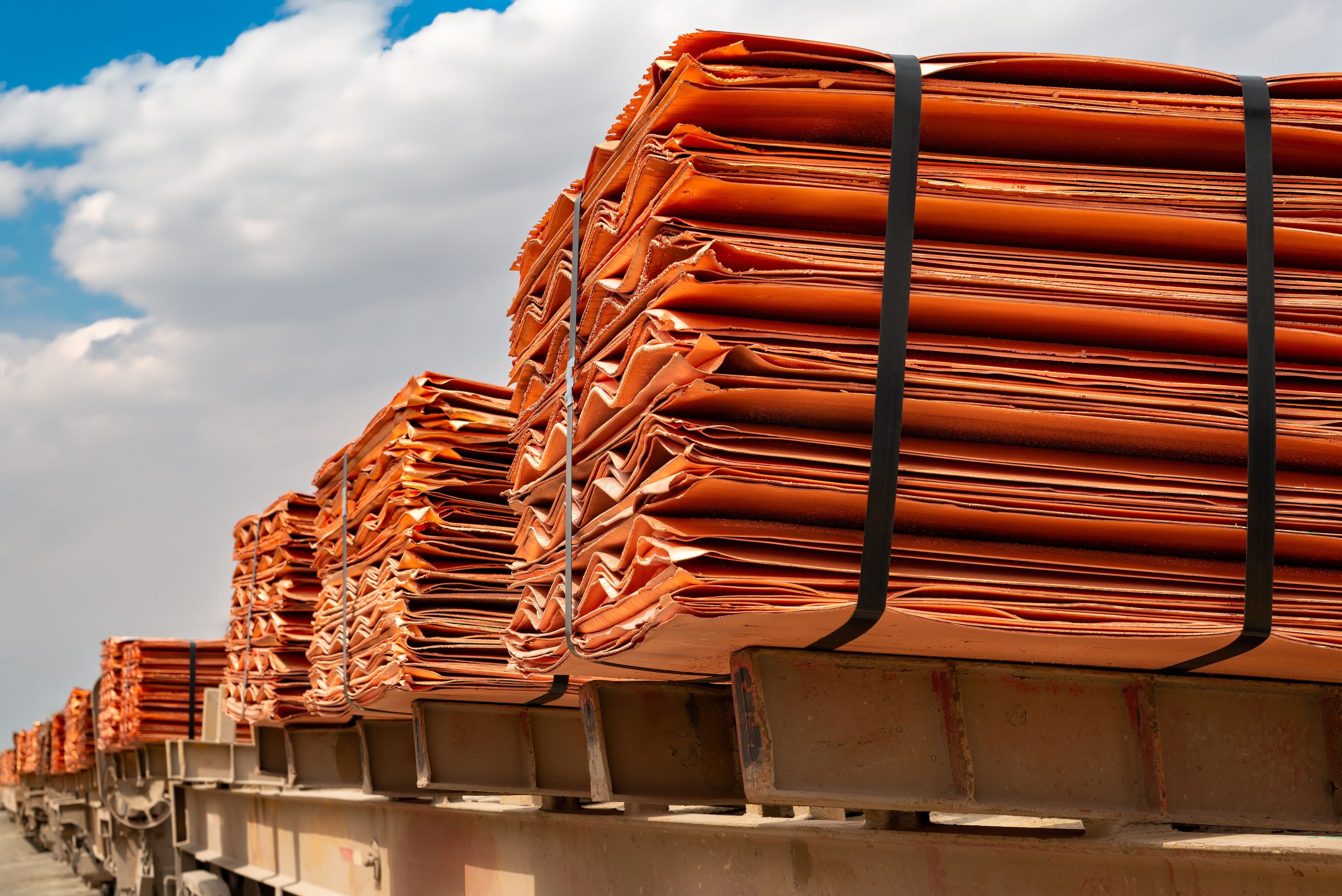
The U.S. Geological Survey (USGS) has added 10 minerals to the critical minerals list including copper, metallurgical coal, uranium, boron, lead, phosphate, potash, rhenium, silicon and silver.
As required by the Energy Act of 2020, USGS used an updated methodology to quantify the risks associated with potential supply chain disruptions and recommend mineral commodities for inclusion on the updated 2025 draft List of Critical Minerals.
The updated methodology uses an economic model that the USGS developed to estimate the potential effects of foreign trade disruptions of mineral commodities on the U.S. economy. The analysis also provides a prioritization based on the results. The economic model has several advantages over previous assessments, including the ability to directly compare the results against other economic risks and the costs of initiatives aimed at reducing the risks.
The critical minerals list guides federal investments and permitting decisions and helps shape the government’s broader minerals strategy.
Reuters reported that the Trump administration is expanding the list amid efforts to boost domestic mining and cut reliance on imports, particularly from economic rival China.
The list serves as a blueprint for Washington’s push to secure supplies of materials needed for defense, manufacturing, and clean energy technologies. It determines which projects qualify for federal incentives, informs national stockpiling and research priorities, and signals to private investors where the government sees long-term strategic value.
Officials and industry leaders say strengthening domestic production could help insulate the U.S. from potential supply shocks or export restrictions imposed by competitors like China, which dominates global refining of many critical minerals.
Doug Burgum, the interior secretary, said the expanded list “provides a clear, data-driven road map to reduce our dependence on foreign adversaries, expand domestic production and unleash American innovation.”
The new list also includes uranium, which is enriched to fuel nuclear reactors, boron, lead, phosphate, potash, rhenium, silicon, and silver.
Potash and phosphate are used as fertilizers to grow crops around the world. “These are two minerals where stable supplies are absolutely necessary to fill our plates and feed our communities,” said Corey Rosenbusch, CEO of The Fertilizer Institute.
Potash was on an original 2018 list, but neither phosphate nor potash was included when it was updated in 2022, the institute said.
Freeport-McMoRan, the largest U.S. copper producer with seven mines and control of one of the country’s two smelters, said this year it could generate more than $500 million annually in tax credits tied to the 2022 U.S. Inflation Reduction Act if the red metal were declared critical.
The average grade, or percentage of copper in rock deposits, in Freeport’s U.S. mines is lower than elsewhere, boosting costs and making the U.S. the company’s least profitable region. That fact largely explains why Freeport pushed for the designation.
“We’re not looking for handouts, but if the government is trying to incentivize domestic (copper) production, it’s important to recognize that the U.S. doesn’t have the same grades that we have internationally,” Freeport CEO Kathleen Quirk told Reuters in March.
Putting met coal on the list aligns with President Donald Trump’s support of fossil fuels. Some U.S. met coal mines have shut in recent months amid ample supply and a reduction in exports to China, which put an additional 15% tariff on imports of U.S. coal this year.
Rich Nolan, president and CEO of the National Mining Association, said it will continue to seek the expansion of the list to “ensure that the U.S. has the abundant domestic resources it needs, when it needs them.”
(Reporting by Jarrett Renshaw, Ernest Scheyder and Timothy Gardner; additional reporting by Tom Polansek in Chicago, Editing by Paul Simao, Rod Nickel)