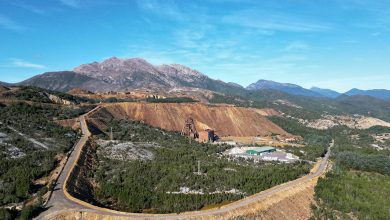
Mining ban in Minnesota lifted by President Trump

President Donald Trump has lifted a federal ban on mining near Minnesota’s Boundary Waters Canoe Area Wilderness, clearing the way for Twin Metals Minnesota and others to applying for permits to mine in the area.
The move reverses Biden’s 20-year block on mining across 225,504 minerals-rich acres (91,200 hectares) in the Superior National Forest and gives a major boost to Antofagasta’s Twin Metals copper, cobalt and nickel project, as well as other proposed mines in the region bordering Canada.
“Passage of the Congressional Review Act (CRA) marks a critical moment for our nation’s ability to strengthen our mineral supply chains,” Kathy Graul, director of public affairs and communications for Twin Metals Minnesota told Mining Engineering. “Twin Metals Minnesota is one of several companies focused on responsibly developing the minerals in the Duluth Complex, which is the world’s largest known undeveloped copper, nickel, cobalt and platinum group metals deposit. A significant portion of these resources were locked up as a result of the mineral withdrawal enacted in 2023, negatively impacting communities across the Iron Range. Any proposed project in this region, including Twin Metals, must undergo a yearslong, multi-agency regulatory review before earning permits to begin construction of a mine. The CRA restores this process, and projects must prove they can meet the stringent environmental standards that have long been in place in Minnesota before moving forward. The Twin Metals team looks forward to a robust discussion and engagement with our communities through any future regulatory processes.”
The proposed mine site stands on a patchwork of state, federal and private land, creating a complex regulatory framework.
The first hurdle for the company is reestablishing a right to mine after officials in Biden’s Department of the Interior terminated its federal site leases in early 2022. Twin Metals filed a federal lawsuit seeking a declaration that the leases are still valid but a judge threw the case out in 2023. The company is appealing that decision.
Twin Metals also would have to win a mining permit from the Minnesota Department of Natural Resources by showing that the company can prevent water pollution, safely store waste rock and restore the land after the mine is played out. The company also will need state water and air permits. U.S. Sen. Amy Klobuchar, a Minnesota Democrat who voted against lifting the moratorium, could be a serious roadblock for the company if she wins her bid for the governor’s office in November.
Save the Boundary Waters, a conservation group, called the vote “a dark day for America’s most beloved wilderness area” and vowed to fight the project.
Antofagasta’s Twin Metals subsidiary said the bill’s passage reflects a “critical moment for our nation’s ability to strengthen our mineral supply chains.”
“The Twin Metals team looks forward to a robust discussion and engagement with our communities through any future regulatory processes,” said Graul.
Antofagasta has said it likely will export the mine’s critical minerals for processing overseas.